
Specification
How to Choose a Stone Facade in Florida: A Specifier’s Guide
Choosing a stone facade in Florida is a different exercise than it is almost anywhere else in the country. The same material that looks flawless in a Denver showroom can fade, spall, or pull off a wall within a few seasons of Gulf Coast sun, salt air, and 150 mph design winds. This guide walks through the decisions that actually matter — material, weight, installation system, and code compliance — so the facade you specify still looks right a decade after handover.
Start with the climate, not the catalog
Florida facades face three stresses at once: relentless UV, airborne salt along the coast, and the High-Velocity Hurricane Zone (HVHZ) wind and impact requirements that govern Miami-Dade and Broward counties. A material can be beautiful and still fail any one of these tests. Before you fall in love with a finish, confirm it is UV-stable, salt-resistant, and documented for the wind zone your project sits in.
Traditional dimensional stone solves durability with mass — and that mass becomes its own problem. At 40–50 kg/m², solid stone adds dead load that drives structural cost, especially on mid- and high-rise facades. Flexible stone veneer keeps the authentic stone surface while cutting weight to 3–4 kg/m², which removes most of that structural penalty.
Match the material to the application
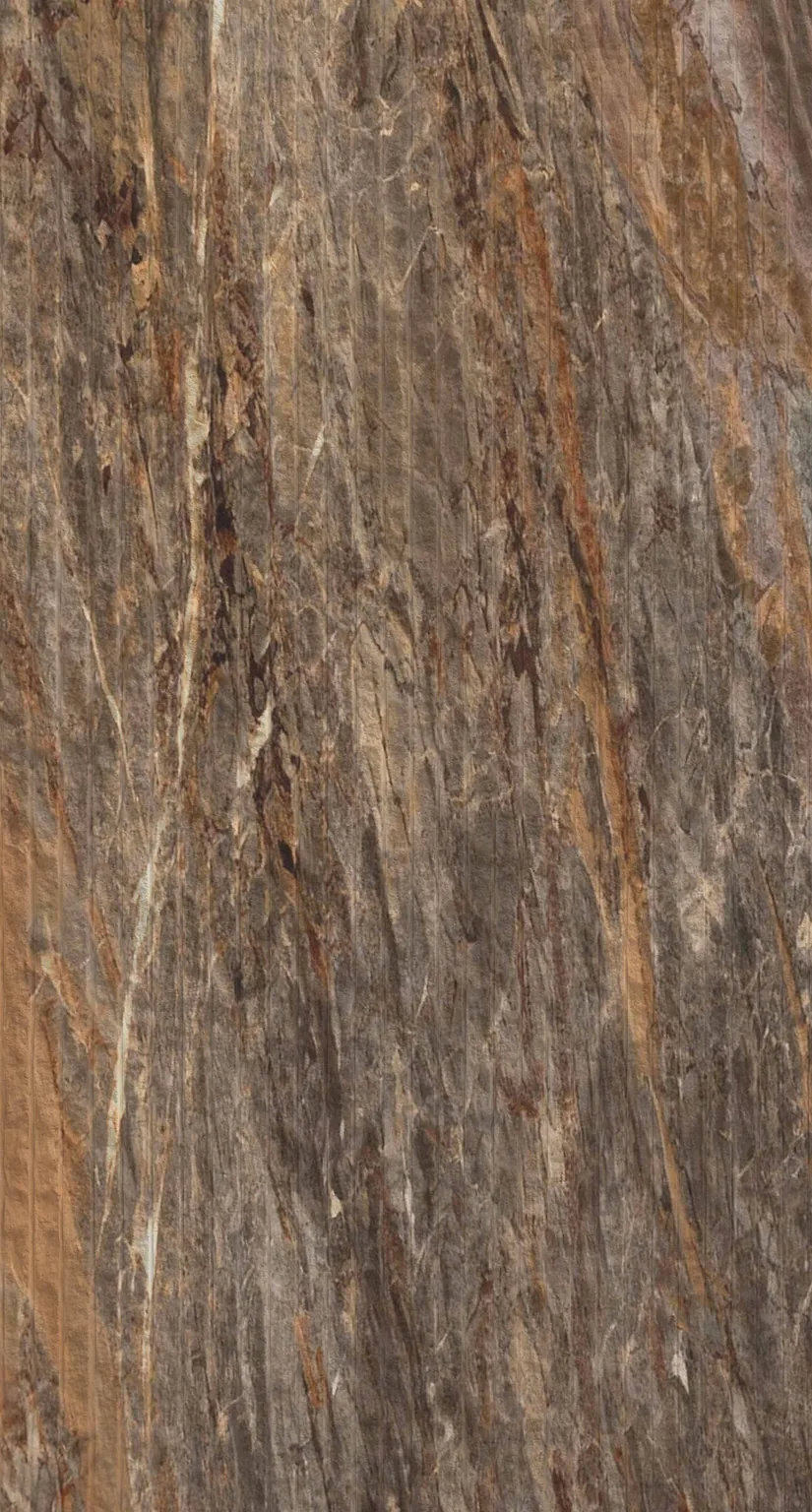
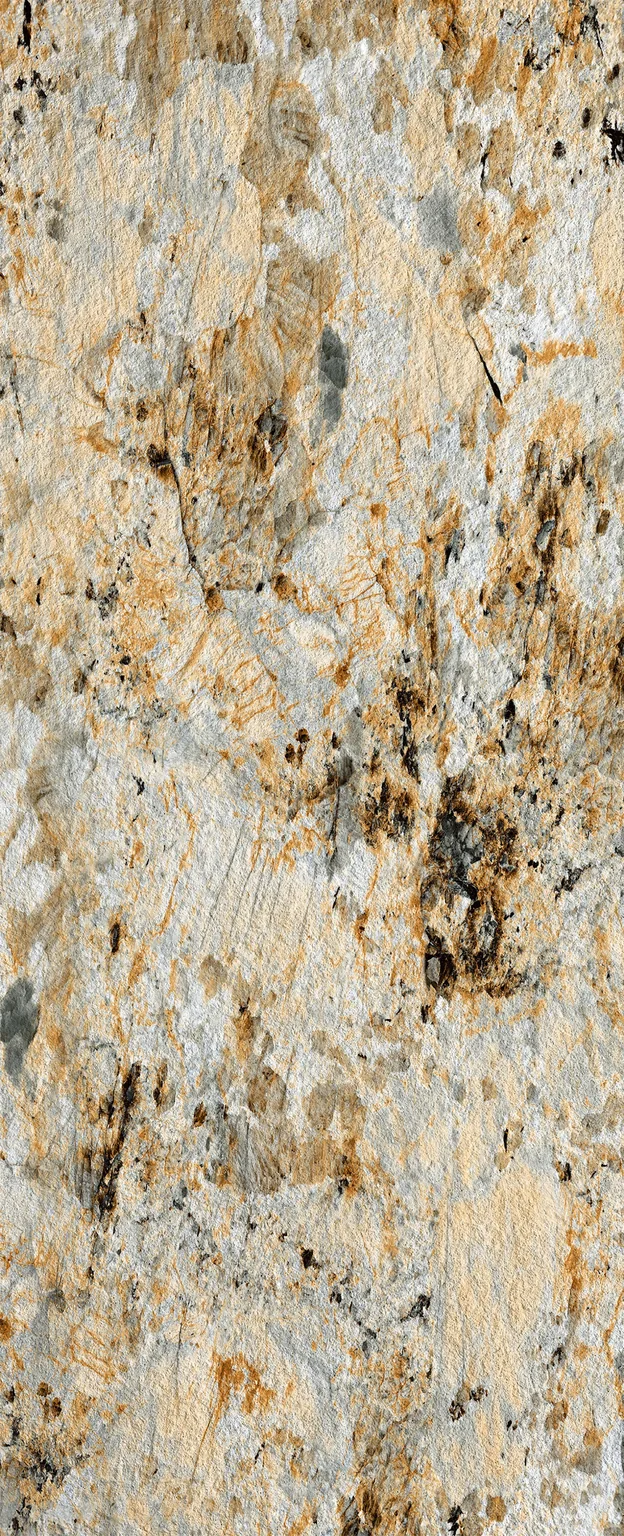
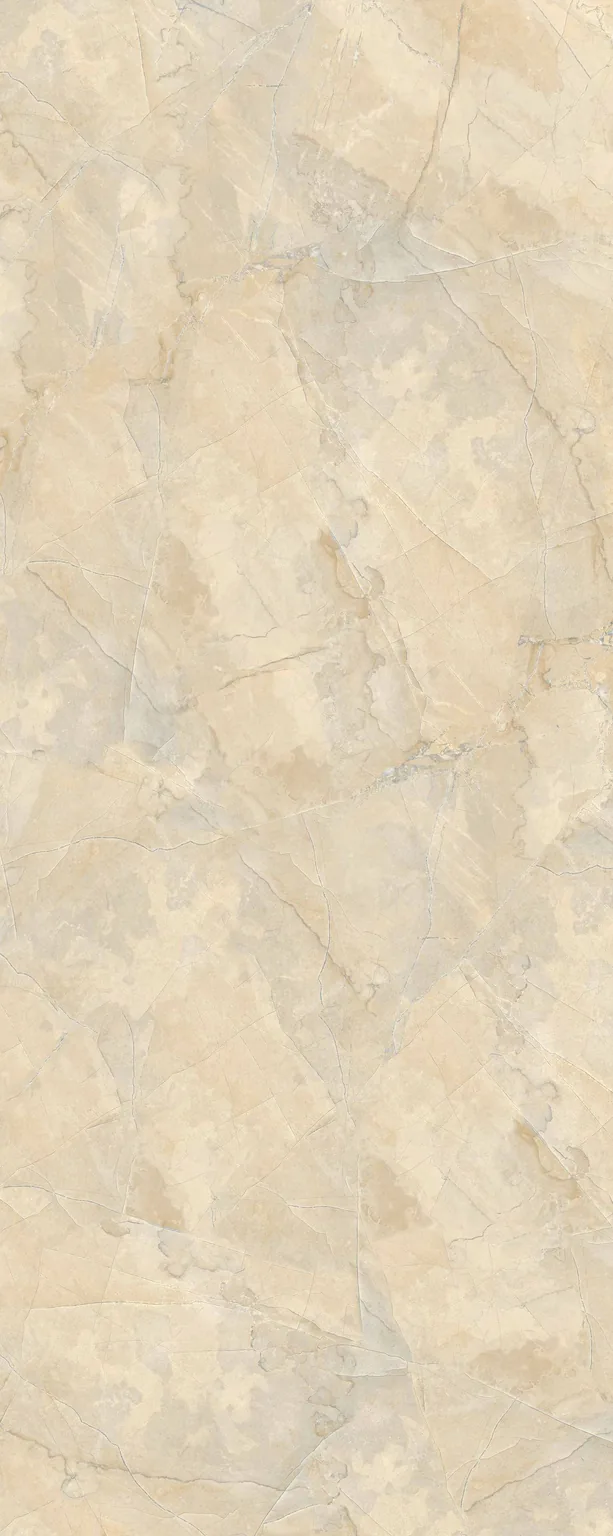
Travertine and limestone read warm and work beautifully on residential and hospitality exteriors. Slate and basalt give you deep, contemporary tones that hold shadow on a flat facade. Quartzite and marble are typically reserved for feature walls and interiors where the veining becomes the focal point. Every Libusun material is rated for interior, exterior, or both — check the rating before you specify, not after.
For exterior facades in coastal zones, prioritise materials and finishes that have been tested for freeze–thaw stability and salt exposure. For interior feature walls, you have far more latitude, since the material never sees weather.
Choose the installation system: adhered vs. rainscreen
Adhered installation bonds panels directly to a substrate with construction adhesive. It is faster and lower cost, and it suits most residential applications over cement board, plywood, or CMU.
Rainscreen (clip-rail) installation hangs panels on a stainless rail with a drained, ventilated cavity behind them. It is the preferred choice for commercial facades, high-humidity zones, and HVHZ-compliant assemblies, because the cavity manages moisture and the mechanical fixing handles wind uplift. If your project is in Miami-Dade or Broward, plan for a rainscreen assembly and request the matching approval documentation.
Verify code compliance before you specify
For HVHZ projects, you need assembly-level documentation, not just a product data sheet. Ask the manufacturer for fire performance (ASTM E84 Class A for exterior systems), wind-load data, and the specific assembly details that match your substrate and fixing method. A material with great test numbers in isolation is worthless if the assembly was never tested as a system.
Libusun panels are engineered for HVHZ assemblies and tested to ASTM E84 Class A; project-specific submittal packages are available on request through our specification team.
Plan the schedule realistically
Skilled masonry labor is scarce and expensive across Florida, and solid stone installs at roughly 50–100 sq ft per day for a two-person crew. Flexible stone veneer installs as a dry trade — no mortar, no curing — at up to 500 sq ft per day. On a 5,000 sq ft facade that is the difference between two months and two weeks of install time, with the financing carry and site overhead to match.
The fastest way to validate a material for a Florida project is to get it in your hands. Request a sample kit, run the climate and code checklist above, and confirm the assembly documentation exists before it goes in the project manual.